Home Renovation Contractor: Transforming Your Vision Into Reality
A home renovation contractor serves as a crucial link between the homeowner's vision and the technical demands of building. These professionals blend creative vision with technical expertise, ensuring that projects adhere to structural integrity and local regulations. This partnership can streamline the renovation process, but it also raises important considerations. Learning how to identify the best contractor and preventing common errors is essential for a successful transformation of your living space. What key points should homeowners consider?
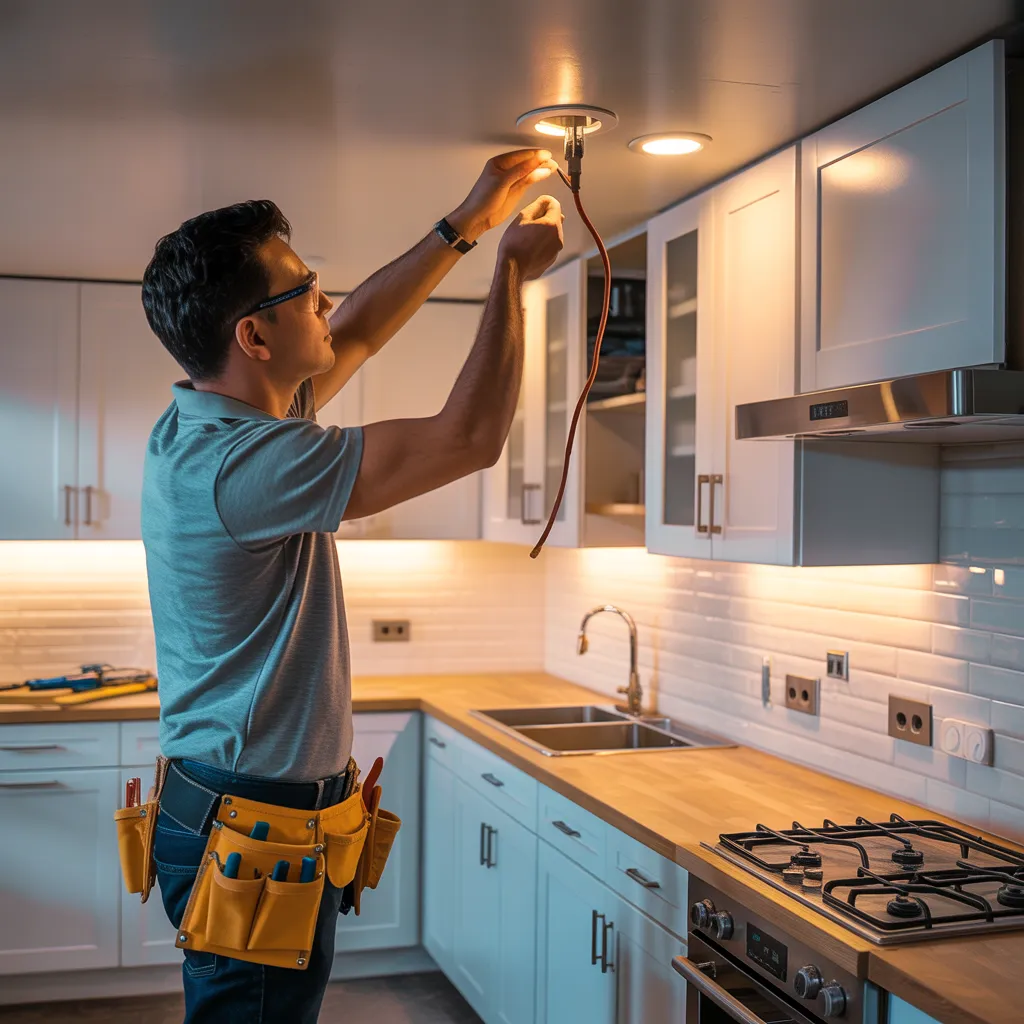
How a Home Renovation Contractor Can Help You
A home remodeling contractor brings visions to life by leading homeowners through the intricate remodeling journey. They commence by reviewing the client's ideas, making sure it fits within the realistic constraints of the area. Through thorough project management, contractors streamline the workflow, working alongside numerous contractors and suppliers to keep timelines and costs on track.
In addition, their proficiency aids in handling local regulations and obtaining necessary permits, minimizing potential legal issues. Renovation contractors also provide valuable insights on design trends and materials, elevating the aesthetic appeal and functionality of the project. Their problem-solving skills are essential when unforeseen issues occur, permitting rapid changes without compromising the project timeline.
Ultimately, a home remodeling contractor acts as a trusted advisor, making sure that the renovation project is streamlined and that the ultimate result embodies the homeowner's vision while maintaining safety and structural integrity.
Primary Benefits of Engaging a Home Renovation Contractor
Recruiting a home remodeling contractor delivers substantial advantages that can simplify the renovation process. Their skill and expertise confirm that work is completed efficiently and to a high standard. In addition, employing a qualified specialist can preserve both time and resources, making the overall renovation experience far easier for property owners.
Skill and Experience
Expertise and experience serve as critical assets when carrying out home renovation projects. Renovation contractors have expert knowledge that enables them to navigate complex tasks efficiently. Their knowledge of local building codes and regulations ensures adherence, eliminating costly interruptions or legal problems. Furthermore, skilled contractors have a network of trusted suppliers and subcontractors, which can improve the standard of materials and craftsmanship. This professional background allows them to foresee potential challenges, offering solutions that a homeowner might overlook. At the conclusion of the day, bringing on a professional contractor not only enhances the quality of the project but also instills confidence in the homeowner, knowing that their vision is in capable hands. Such expertise transforms ideas into tangible results, making the renovation process more efficient and rewarding.
Time and Cost Efficiency
One of the main benefits of working with a skilled renovation contractor is the considerable time savings and cost effectiveness they offer throughout the process. Renovation contractors simplify the entire process by handling scheduling, directing labor, and acquiring materials, which limits disruptions and maintains project momentum. Their longstanding ties with material suppliers often translate into favorable material pricing, translating into cost savings for homeowners. Furthermore, experienced contractors excel at identifying potential issues before they arise, limiting surprise expenditures. By drawing on their industry experience, property owners can sidestep expensive errors that stem from a lack of experience. Ultimately, the investment in a home renovation contractor pays off through a more efficient renovation experience, making certain the project remains within budget and on similar article schedule.
Essential Questions to Ask Before Hiring a Contractor
When hiring a home renovation contractor, it is vital to take into account key questions that can influence the project's success. Evaluating their experience and expertise, verifying licensing and insurance, and understanding the project timeline and budget are important steps in reaching an informed decision. Taking these elements into account can help facilitate a smooth renovation process.
Experience Levels and Areas of Expertise
When starting on a home renovation project, grasping a contractor's experience and expertise is crucial for achieving quality results. Property owners should investigate the contractor's time in the field, particular projects they have finished, and understanding of pertinent materials and approaches. Evaluating a contractor's portfolio can provide insight into their workmanship and aesthetic. Moreover, requesting references allows future clients to measure the contentment of former customers. It proves helpful to review any specialized qualifications or certifications that the contractor might hold, as they often reflect a dedication to professional standards. Ultimately, a contractor's knowledge and skill significantly impact the renovation's overall quality, making these inquiries vital before committing to a contractor.
Licensing and Insurance Verification
Confirming that a home renovation contractor possesses the necessary licenses and insurance coverage is crucial for homeowners looking to safeguard their investment and reduce risks. A valid license demonstrates that the contractor has met local regulatory requirements, ensuring compliance with safety and building codes. Homeowners should check the contractor's license standing through state or local licensing agencies to avoid potential legal issues.
Insurance coverage, including worker's compensation and liability, delivers fiscal safeguarding should there be accidents or damages throughout the renovation process. Homeowners should request proof of insurance and verify its validity. By asking these vital questions, homeowners are able to choose a trustworthy contractor, shielding their project from unforeseen issues and providing peace of mind throughout the remodeling process.
Project Schedule and Financial Overview
A solid comprehension of the renovation timeline and budget is crucial for homeowners considering a renovation. Before bringing on a contractor, important questions should be answered. Homeowners need to inquire about the estimated start and completion dates, including any potential setbacks and their origins. It's also important to go over the complete budget, encompassing material costs and labor expenses, to prevent unforeseen costs. Homeowners need to discuss billing schedules and whether contingency plans cover unanticipated issues. Moreover, recognizing how alterations to the project might influence both the timeline and costs is important. By resolving these matters ahead of time, homeowners can ensure a more seamless renovation experience and align their expectations with the contractor's capabilities.
Selecting the Best Home Renovation Contractor: Essential Tips
How can homeowners navigate the commonly challenging process of finding the most suitable home renovation contractor? To begin, they should gather suggestions from acquaintances, relatives, or review websites to compile a list of qualified prospects. Following that, credential verification is critical; homeowners should confirm contractors are licensed, insured, and experienced in the exact category of renovation being planned.
Scheduling interviews helps homeowners to evaluate how contractors communicate and conduct themselves, which are key signs of a productive working relationship. In these sessions, addressing budgets and project timelines can clarify expectations. It is also beneficial to seek and verify past client references, providing a clear picture of the contractor's work quality and dependability.
Finally, acquiring thorough written bids from several contractors allows homeowners to make well-informed comparisons. By implementing these measures, homeowners can confidently choose a contractor who aligns with their vision and project requirements.
Understanding What to Expect in the Home Renovation Process
When embarking on a home renovation, property owners can expect a comprehensive process that develops across various steps. The process starts with a thorough consultation where property owners outline their goals and needs. This phase typically includes discussing material choices, design concepts, and schedules.
After the initial meeting, the contractor will develop detailed schedules and blueprints, enabling an structured process for the renovation. Once there is approval, the project shifts into the building stage, in which demolition, structural changes, and installations occur. Homeowners should anticipate some disruptions, as daily routines could be impacted.
Regular communication is essential across the renovation project to handle any unexpected issues or changes. Finally, as the work reaches its final phase, concluding elements such as painting and decorating will take place. In the end, homeowners can expect a joint effort that turns their original concept into a concrete outcome, necessitating trust and patience in their preferred contractor.
How to Budget for Your Home Renovation
Creating a budget for a home renovation necessitates meticulous planning and deliberation. Initially, homeowners need to establish the scope of the project, identifying specific renovations and intended outcomes. This level of clarity aids in setting a realistic budget. Next, investigating costs for materials, labor, and permits is essential. Collecting several quotes from contractors can offer a clearer picture of potential costs.
It is furthermore prudent to establish a financial buffer, typically 10 to 20 percent of the entire budget, to cover unforeseen costs. Property owners should prioritize their remodeling objectives, differentiating between must-haves and nice-to-haves, which can aid in reaching sound judgments if budget constraints arise.
Finally, keeping track of expenditures throughout the home improvement process confirms that spending aligns with the preliminary budget. By applying these strategies, property owners can build a detailed fiscal roadmap that backs their renovation goals while reducing unexpected issues throughout the process.
Common Renovation Mistakes to Avoid
When starting on a home renovation, many homeowners tend to overlook important details that can cause costly mistakes. A frequent mistake is not properly planning the budget, which can lead to partially completed projects or hurried choices. Moreover, failing to secure the required permits can lead to legal complications and costly fines.
One other frequent error is not accounting for the timeline, which results in delays and frustration. Many homeowners also tend to overlook the significance of hiring skilled contractors; inferior workmanship can jeopardize the quality and safety of the renovation.
In addition, choosing trendy designs over timeless ones can decrease a home's value. Finally, poor communication with contractors can lead to misunderstandings and unfulfilled expectations. By understanding and sidestepping these pitfalls, homeowners can guarantee a more seamless renovation process, ultimately fulfilling their vision without avoidable setbacks.
Popular Questions We Receive
What Is the Typical Duration of a Home Renovation Project?
An average home renovation project typically takes between a few weeks to several months, depending on the overall complexity of the project, the size of the space, and the availability of both materials and labor.
What Permits Are Required for Home Renovations?
Remodeling projects generally necessitate several types of permits, including plumbing, electrical, zoning, and building permits. The exact requirements vary based on local regulations and the project's scope, making it essential to check with local authorities to guarantee compliance before commencing work.
Can I Remain in My House Throughout the Renovation Process?
Yes, one can live in their home during renovations, but it often causes disturbance and unease. Important aspects to evaluate include the scale of the renovation, potential safety hazards, and the ability to use critical utilities during the construction phase.
What Happens if Unexpected Issues Arise During Renovation?
Unforeseen problems throughout the renovation process can cause cost overruns, postponements, and changes to the project's original scope. Contractors typically evaluate the issue, communicate with homeowners, and suggest remedies to guarantee the project progresses smoothly regardless of the obstacles encountered.
How Can I Keep My Home in Good Shape After Renovations?
To maintain a home after renovations, regular inspections, cleaning, and timely repairs are essential. Residents should assess surfaces, identify leaks, and care for HVAC systems to sustain both appearance and performance over time.